What to consider before booking your niagara falls helicopter tour
Planning a helicopter ride over the falls
Seeing Niagara Falls from the air is something many visitors want to experience. Before you confirm a booking, it pays to check a few details so the flight meets your expectations. Helicopter tours vary in route, duration, and the type of aircraft used, and knowing what to look for helps you choose a trip that fits your schedule and comfort level.
Flight duration and what it means for your experience
One of the first things to check is how long the scenic flight lasts. Tour operators usually advertise a total flight time, but this can include the climb, the route over the falls, and the return. A shorter flight might cover the main sights quickly, while a longer one gives you more time to take in the views. Consider what you want from the experience. If you mainly want a quick aerial view of the horseshoe falls and the American falls, a compact tour may be enough. If you prefer a relaxed ride with time to photograph the landscape, a longer flight could be worth the extra cost. The flight duration often affects the price, so matching it to your priorities helps you avoid paying for time you do not need or missing out on a fuller experience.
Helicopter type and seat configuration
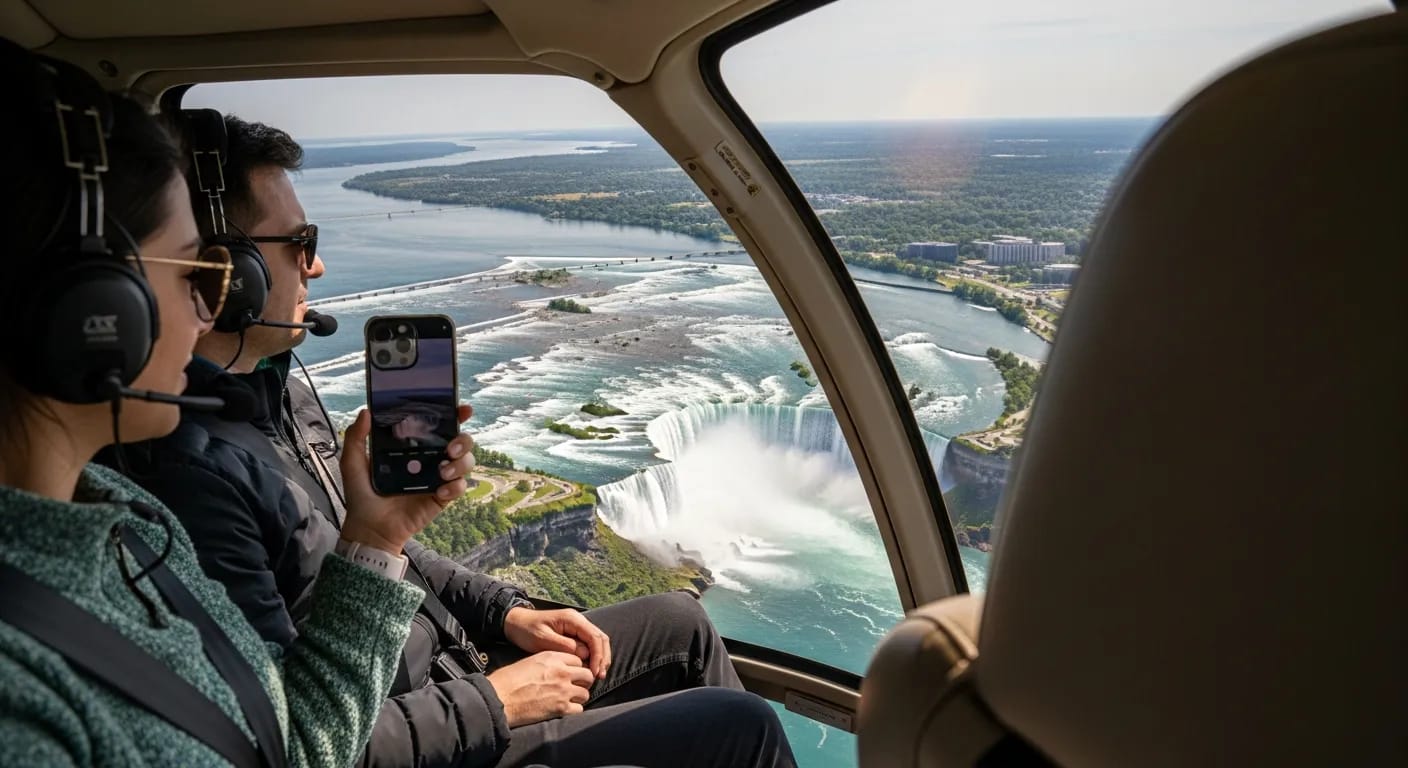
The kind of helicopter used on the tour affects both comfort and visibility. Different operators use different models, and the seat arrangement can determine how much each passenger sees. Some helicopters have large windows that offer unobstructed views from every seat, while others may have seats that limit your sightline. Ask about the seat configuration before booking. In many cases, passengers seated next to a window get the best views, while middle seats can feel restrictive. If you have a preference, check whether the operator allows seat selection at booking or on the day of the flight. Knowing the helicopter type also helps if you are sensitive to noise. Helicopters vary in cabin noise levels, though all are louder than a typical car. Some operators provide noise-cancelling headsets that improve comfort and allow you to hear the pilot's commentary. It is worth confirming what is included.

Tour route and what you will see
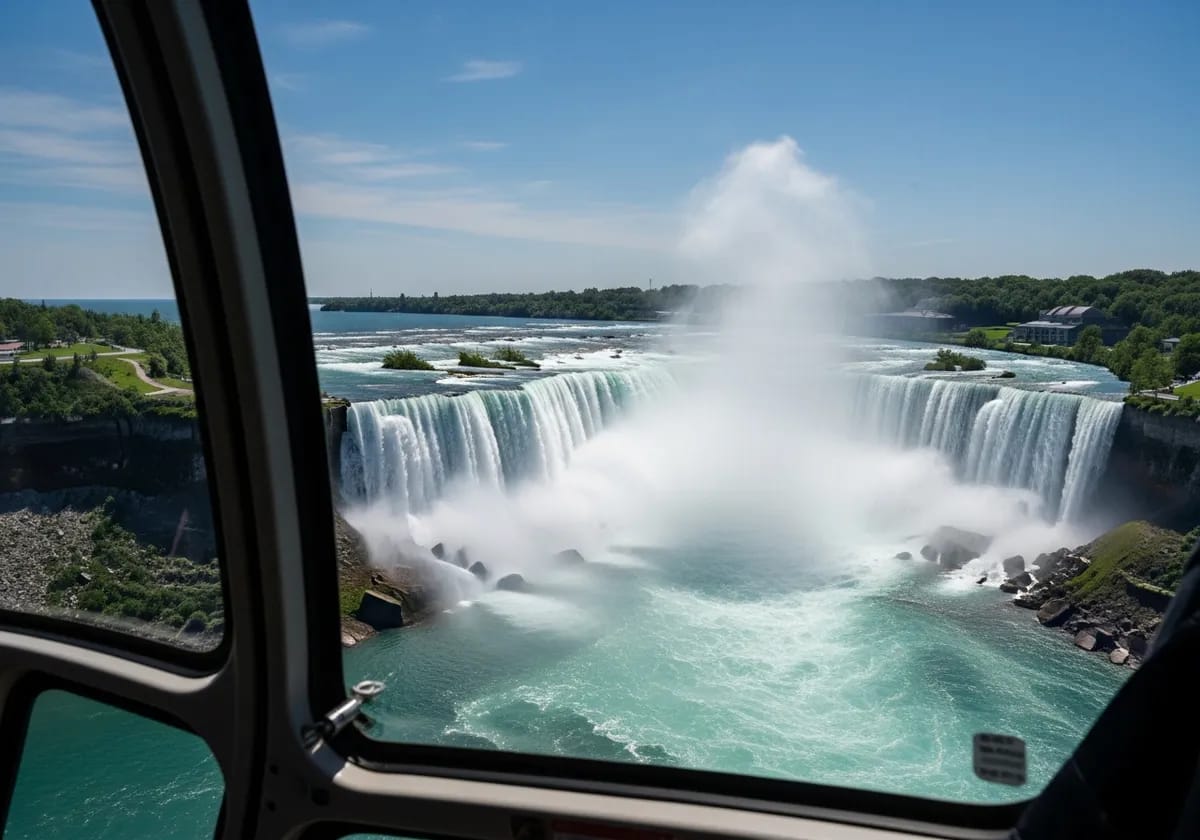
Not all helicopter routes over Niagara Falls are the same. Some tours fly directly over the falls, while others take a wider path that gives you a panoramic view of the river and the surrounding gorge. Check the tour route description to see which landmarks are included. A route that passes over both the American and Canadian falls, the Niagara River, and the whirlpool offers a more complete aerial perspective. Some tours also include the Niagara Glen or the nearby vineyards. Knowing the route helps you set expectations. If you are hoping for close-up views of the mist rising from the base of the falls, a route that flies low over the water is what you want. If you prefer a broader landscape view, a higher altitude route might be better. Look for a description that matches your interest.
Safety briefing and boarding procedure
Before any flight, the operator should provide a safety briefing. This is a standard practice, but the quality and thoroughness of the briefing can vary. A good briefing covers what to do during the flight, how to use the seatbelt, what to do with loose items, and emergency procedures. It should also explain how to enter and exit the helicopter. The boarding procedure is worth checking as well. Some operators board passengers from a platform that is level with the helicopter, making it easier for people with mobility concerns. Others require climbing a small set of steps. If you have any physical limitations, it is wise to ask about the boarding process in advance. The safety briefing and boarding procedure reflect the operator's attention to passenger care. A clear, calm briefing shows that the company takes safety seriously.
Weather and visibility conditions
Helicopter flights depend heavily on weather. Even a light rain or low clouds can affect visibility and lead to cancellations. Check the operator's policy on weather-related cancellations before you book. Most operators will either reschedule or refund your ticket if the flight cannot operate safely. It is also worth checking the typical weather for the time of year you plan to visit. The best conditions for a niagara falls helicopter tour are clear skies and light wind. Early morning and late afternoon often offer the most stable air and the best light for photography. If you are flexible with your timing, you can improve your chances of a smooth flight with excellent views. Keep in mind that fog can roll in quickly over the falls, so even a clear morning can become cloudy by midday. Operators monitor conditions closely and will make the call on the day.
What is included in the price
Before you pay, check what the ticket price covers. Some operators include a pre-flight video, a souvenir photo, or a headset with commentary. Others charge extra for these options. The basic fare usually covers the flight itself and the safety briefing, but add-ons can increase the total cost. Ask about taxes, fees, and any fuel surcharges that may apply. The price should be clearly stated at the time of booking, with no hidden charges. A transparent pricing policy is a sign of a reputable operator. If the price seems very low compared to others, check what is not included. Sometimes a cheap base fare means extra costs for seat selection, luggage storage, or even the use of a camera on board. Knowing the full cost upfront helps you compare options fairly.
Passenger weight and baggage restrictions
Helicopters have strict weight limits for safety reasons. Each passenger's weight is recorded at check-in, and the total weight determines the aircraft's balance. If you are travelling with a group, the operator may need to distribute passengers across different flights to stay within limits. Check the operator's weight policy beforehand. Some charge extra for passengers over a certain weight, while others simply seat them accordingly. Also check what you can bring on board. Cameras, phones, and small bags are usually allowed, but large backpacks or luggage may need to be stored in a locker. Loose items can be a hazard inside a helicopter, so operators often ask you to secure everything. Knowing the restrictions helps you pack light and avoid surprises at the boarding area.
Booking in advance vs. on the day
Helicopter tours can sell out, especially during peak tourist seasons. Booking in advance guarantees your spot and often gives you a better choice of time slots. Some operators also offer a small discount for early online bookings. However, if you book too far ahead, you risk losing money if your plans change. Check the cancellation and refund policy before you pay. Some operators allow free cancellations up to 24 hours before the flight, while others charge a fee or offer only a credit. If you are flexible, you can try booking on the day for a walk-up slot, but this carries the risk of availability being limited. A good approach is to book a few days in advance and keep an eye on the weather forecast. If conditions look poor, you can reschedule or cancel within the operator's window.
Reading the fine print
Every tour operator has terms and conditions. These cover liability, cancellation policies, age restrictions, and what happens if the flight is delayed or cancelled. Read them before you confirm your booking. Pay attention to the section on weather cancellations, since this is the most common reason for changes. Also check whether children are allowed and at what age they can fly. Some operators have minimum age requirements, and infants may need to sit on a parent's lap. The fine print also explains what to do if you arrive late. Most operators have a check-in time that is earlier than the flight time, and arriving late could mean missing your slot. Knowing these details helps you avoid unexpected problems.
Final checks before you go
On the day of your niagara falls helicopter tour, arrive early at the heliport. Wear comfortable clothes and closed-toe shoes. Avoid loose scarves, hats, or anything that could fly off during the flight. Leave large bags in your car or at your hotel. Have your booking confirmation ready, either printed or on your phone. Listen carefully to the safety briefing and ask questions if something is unclear. Once you are in the air, relax and enjoy the view. A little preparation goes a long way toward a smooth and memorable flight.